
1st Sunday in Lent 2026 – St Andrew’s Milngavie
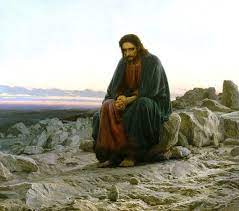 Today we celebrated the 1st Sunday of Lent
The Lent Study Group begins on Tuesday at All Saints 2pm in their small hall. We will meet every Tuesday afternoon in Lent 2pm ( February 24th and March 3rd, 10th, 17th, 24th and 31st)The book to be studied is Dust & Glory by David Runcorn. It is a book of daily Bible readings from Ash Wednesday to Easter Day, broken up into the six weeks of Lent..
This Week
Tuesday 10am – Prayer Group in the Garden Room
Thursday 10am – Said Holy Communion followed by coffee in Friendship House.
2.30pm – Book Group Liz’s
Readings for next Sunday – 2nd Sunday of Lent – Genesis 12:1-4 Romans 4:1-5,13-17 John 3:1-17
Today’s readings – Genesis 2:15-17,3:1-7, Romans 5:12-19, Matthew 4 1-11
On Tuesday we enjoyed pancakes at the prayer group. This week on Ash Wednesday we began the season of Lent. Lent is a season in the church’s year when Christians traditionally spend time in fasting, contemplation, denial and self-reflection, prayer and studying the scriptures. The purpose being to grow closer to God.
Shrove Tuesday, historically, was a day to use up all the extra food in the house in preparation for the fast ahead – and so it became a custom to make pancakes. A tradition still very much practised today, albeit on a more secular level.
Our Christian ancestors, however, would have taken Lent very seriously. In the fourth century, the desert fathers and mothers as they were known felt called to live out a life of extreme asceticism often in the inhospitable desert. There they starved themselves of food, drink and companionship. And they trained themselves, through these feats of asceticism to be dependent on the strength of God alone.
They did not set out to influence the rest of Church or society, they lived lives of poverty, withdrawn from everyday life and normal influences. But somehow their witness energised even those who knew they could never imitate this hard calling. So, their life in the wilderness brought encouragement, not just for those who embraced it but for others too.
The gospel this morning tells us that immediately after Jesus was baptised The Spirit sent him out into the wilderness. Matthew 4:1 The wilderness in the bible is a place of preparation, a place for intercession, a place to wait on God, and a place to rest.
After crossing the waters of the Red Sea, God led Moses and his people into the wilderness and to the mountain, where Moses fasted for forty days and forty nights prior to receiving the tablets of the law. Exodus 14ff
Later, King David fled to the wilderness to fast and wait on God for deliverance after his lapse into adultery, and while his own son hunted him in open rebellion. 2 Samual 11 Finally, Elijah fled for his life to the wilderness after displacing the religion of Baal, where he fell to the ground in a refusal of his calling, and yet where he was comforted, sustained and renewed. 1 Kings:19
And so, Jesus goes into the wilderness to prepare himself for his ministry. It may seem an odd way to prepare for leadership, by starving oneself alone in the desert. Jesus prepares for his ministry by making himself weak and utterly vulnerable, as though this is the only way in which he can be sure that the ministry he will exercise comes from God, and not just from his own strengths. He does not spend the time drawing up plans and identifying key people and setting goals. Instead, he reduces himself to the barest essentials leaving his character and instincts, starkly exposed with no externals to buttress them.
What was being tested in the wilderness was the core of Jesus’ being, stripped of all other defences. That core proved to be total dependence on God his father.
In our scripture today, in the reading from Genesis about the fall of mankind, we are reminded of our need for God. We are not all called to go and live lives of harsh asceticism in the desert like the desert fathers and mothers. But in Lent we are offered the chance to ask ourselves, what is at the heart and core of our lives? What would the devil offer to us to tempt us away from God? Do we even know what is essential to us and what is peripheral? What sustains us spiritually?
So Lent is not something to be dreaded, depressed about or overly hard on ourselves. It’s a journey we undertake together. It is a chance to use wilderness time as an opportunity to grow and to know God better, so that we may find new ways to draw closer to him, and as a result find that his call on our lives will grow clearer and more understandable.
Whatever form our Lenten journey may take, Lent is really a preparation for the greater story. It gives us a focus into the wider picture, Easter.
Easter is the most exciting and important thing we celebrate as Christians. It is at Easter that we celebrate the resurrection of our Lord. It is at Easter that we remember Jesus’ victory over death and all that is bad – the greatest mystery that brings us the greatest hope and salvation to the world.